Already proved this wrong once
New York City’s population experienced a significant post-2020 decline, losing over 500,000 residents between April 2020 and mid-2023, largely driven by domestic out-migration. While estimates for 2024 suggested a brief stabilization or slight growth,
recent data indicates the city is still well below its 2020 peak of ~8.8 million, with 8.58 million residents in July 2025.
Key Aspects of NYC Population Loss:
- Significant Pandemic Decline: Between April 2020 and July 2022, NYC lost 468,293 residents (a 5.3% decrease), with a further loss of nearly 78,000 in 2023.
- Total Decline Since 2020: The city's total population loss from the start of the pandemic to mid-2023 reached 546,146 residents.
- 2024-2025 Trends: While some reports showed brief gains, the population as of July 2025 was still down significantly from 2020, with a slight dip in late 2025 caused by a drop in international migration.
- Primary Drivers: Continued, high net domestic migration—more people moving out to other parts of the U.S. than moving in—continues to cause the decline.
- Borough Breakdown (2022-2023): Brooklyn, Queens, and the Bronx were among the top four US counties for population loss in the 2022-2023 period.
- Short-term Outlook: Despite some reports of residents returning, long-term trends suggest the city is struggling to regain its pre-pandemic population levels.
City Journal +5
Why is New York City's population declining?
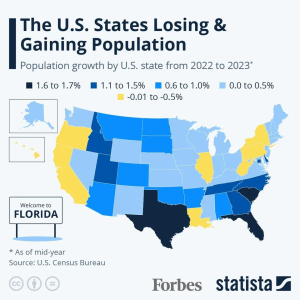
View attachment 825878
New York City's population is declining primarily due to a high rate of domestic out-migration, with many residents leaving for suburbs or other states, driven by an extremely high cost of living, lack of affordable housing, and a,post-pandemic rise in remote work. This exodus is compounded by a slowing influx of international immigrants, who historically replaced those who left.
Key Reasons for NYC Population Decline:
- High Cost of Living and Housing: The high expense of living in NYC and a scarcity of affordable housing, often cited as major factors, are driving residents, including many high-earners, to move out.
- Domestic Out-Migration: A significant number of residents are moving to other parts of the U.S., particularly to states like Florida, New Jersey, Pennsylvania, and Connecticut, often seeking lower taxes or more space.
- Remote Work Trends: The pandemic accelerated a shift towards remote work, allowing many workers to live outside the city, a trend which has continued.
- Declining International Immigration: Traditionally, New York City has relied on international migration to offset the loss of residents moving to other parts of the country. However, a significant, decrease in international arrivals, with 66,000 in the year ending July 2025 compared to much higher levels previously, has contributed to this trend.
- Pandemic Aftermath: While the immediate, acute phase of the pandemic is over, the initial, significant, drop in population (over 400,000) that began in 2020 has not been fully reversed.
- Retirement and Quality of Life: Many, especially in the "Baby Boomer" generation, are leaving the city for retirement, while others cite a desire for a better quality of life elsewhere.
This combination of factors, known in demography as a trend where many of the largest, urban, counties in the US are losing population, means that despite being a major, and, still, highly desirable, economic hub, the city faces a sustained challenge in maintaining its population levels
Census Bureau estimates show a return to the 2020 baseline population, but domestic outmigration and fewer international migrants paint a grim picture of the next five years.

www.city-journal.org